

Toyota : GTS
Toyota Material Handling North America (TMHNA) Global Telematics Solution (GTS) is a leading cloud-based IoT platform for warehouse fleet management. It offers remote monitoring, diagnostics, access control, maintenance tracking, and location sensing. TMHNA uses data from GTS to drive smart governance, improve productivity, and enhance efficiency for their consumers.
My Role:
As part of the engagement to deliver end-to-end UX/UI solutions for GTS and the Raymond sister platform, I designed a significant portion of both products. This included improving existing features as well as translating new business requirements into clear and usable design solutions.
I was the sole owner for these activities, from research & analysis, to design and testing. I worked closely with business & development teams, held design workshops and client review sessions.
- Dashboard
- Notifications
- Reports
- Onboarding
- Design System
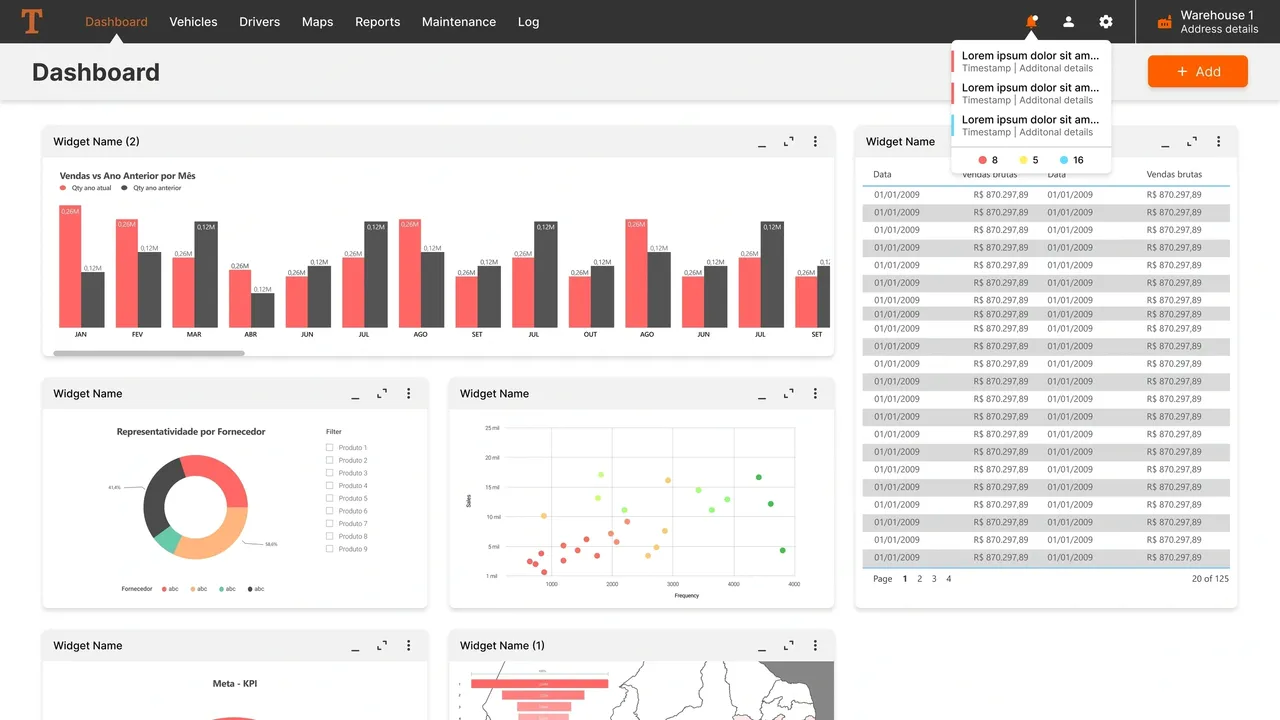
Summary:
The original GTS dashboard faced critical usability and functionality issues that limited its effectiveness as a daily tool. Key pain points included unoptimized content, bare-bones functionality, and inconsistent performance across devices.
A complete redesign was performed with the goal of a more efficient and responsive interface that gives users quick access to essential day-to-day data and actions. This included a full revamp of the dashboard layout, widget interactions and functions, as well as data visualizations.
Key improvements:
- Simplified and interactive charts for clearer insights.
- Tailored data visualizations with improved visuals.
- Flexible widgets to support varied content and tasks.
- Responsive design for seamless use across platforms.
Impact
Overall experience was improved with better device support, quicker taskflows, and better visuals.
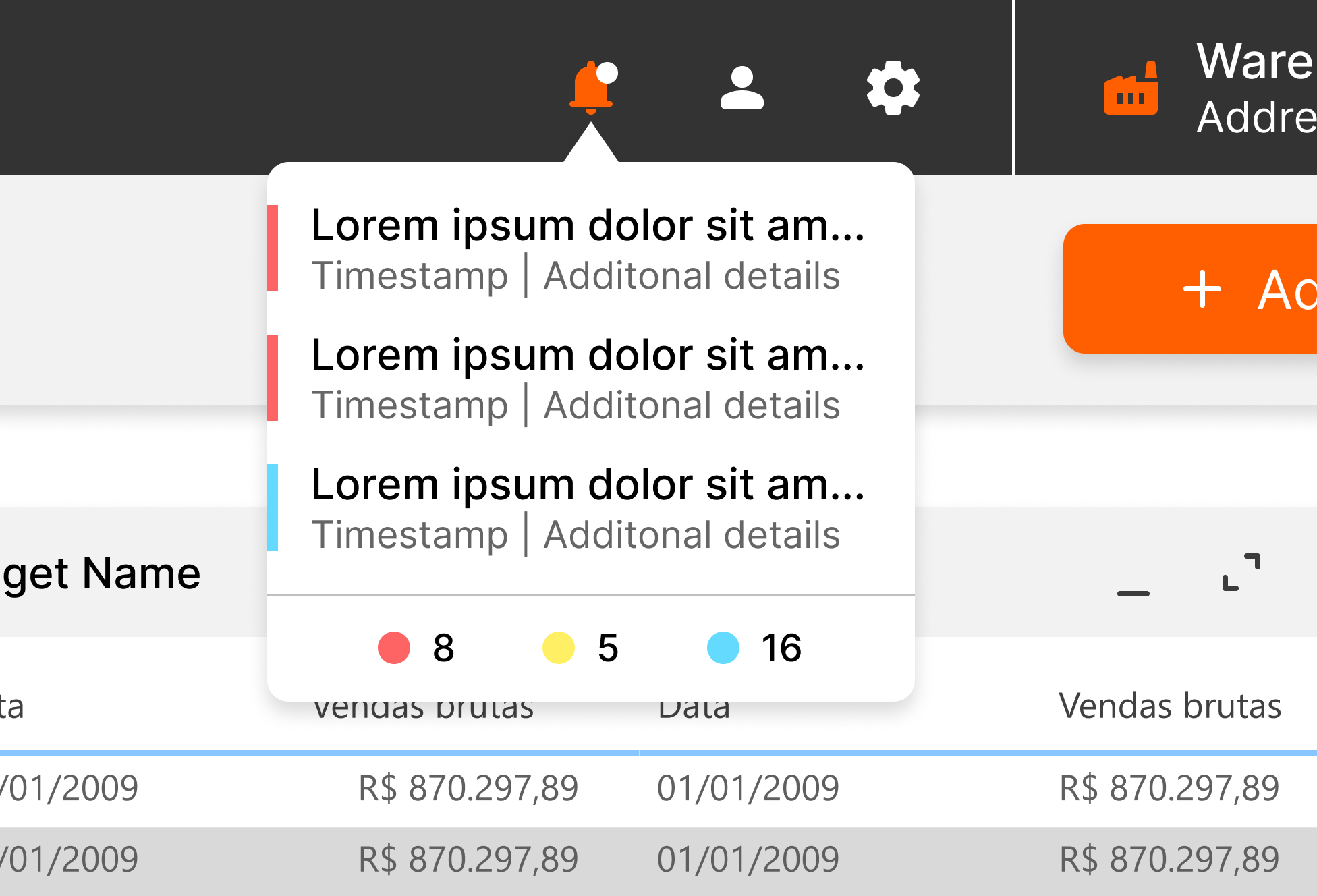
Summary:
The GTS platform lacked a native, unified system for in-platform notifications, relying instead on fragmented workarounds across modules and external channels. This led to missed alerts, inconsistent messaging, and reduced user awareness during critical workflows.
The design goal was to create a centralized notification system that could streamline all platform communications, improve task visibility, and offer timely, actionable updates directly within the platform.
Key improvements:
- Unified notification center to consolidate all alerts in one place
- Categorization and filtering for clearer prioritization
- Inline task shortcuts to reduce context-switching
- Persistent alert history for traceability and review
Impact
User awareness improved with clearer, consistent alerts. Task completion became faster with in-context shortcuts. Alert fatigue was reduced through better prioritization and control.

Summary:
GTS collects extensive telematics data used for generating business and governance reports based on Power BI. However, over time, the reports section became cluttered and difficult to navigate due to unstructured feature growth, resulting in reduced usability and slower task completion.
The redesign focused on streamlining the reports library, improving content accessibility, and supporting faster, more efficient report handling.
Key improvements:
- Simplified navigation with clearer information architecture
- Logical content grouping and flexible search options
- Smart previews and shortcuts for quicker task completion
Impact
Users were able to find, access, and act on reports more efficiently, resulting in smoother workflows and less friction during daily tasks.
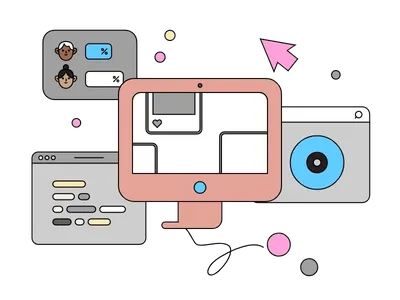
Summary:
Client onboarding on the GTS platform is a complex, large-scale process involving multiple administrative layers and dependencies across both the business and client sides. The existing approach relied on fragmented tools and manual coordination, leading to confusion, delays, and limited visibility.
To streamline operations and improve user experience, a centralized onboarding interface was designed to unify and simplify the entire flow.
Key improvements:
- Wizard-based flow for a simpler, more approachable experience
- Unified tracking center for end-to-end process transparency
- Built-in task delegation and integrated alert notifications
Impact
The new onboarding flow reduced setup confusion, improved coordination across teams, and gave both clients and admins clearer visibility into progress and responsibilities.
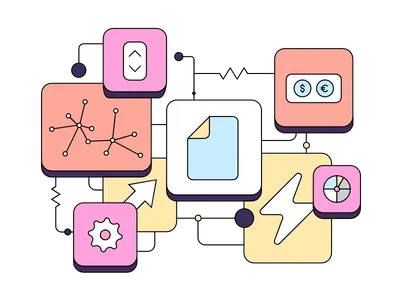
Summary:
As GTS scaled, the disconnected component and asset libraries began to show strain—causing inconsistencies in design, increased development time, and higher maintenance costs.
To resolve this, a lean design system was developed using atomic design principles, consolidating and refining existing elements into a cohesive, scalable framework.
Key improvements:
- Centralized library with clear usage guidelines to ensure consistency and reusability
- Extensive color system and custom icon sets tailored to platform needs
- Standardized patterns and templates for charts and visualizations to improve clarity and usability
Impact
The design system reduced redundancy, improved design-developer handoff, and ensured a unified visual language across the growing platform.